Fabric and care
Four fabrics, one laundry problem, and the label that outranks this page.
What the catalog is made of
| Fabric | Pieces | Where it shows up |
|---|---|---|
| Polyester and spandex knit | 97 | Scrub tops and pants, stretch work knits |
| Cotton and polyester knit | 60 | Pocket tees and henleys |
| Woven poplin and twill | 17 | Utility shirts |
| Canvas and ripstop | 21 | Work pants and bibs |
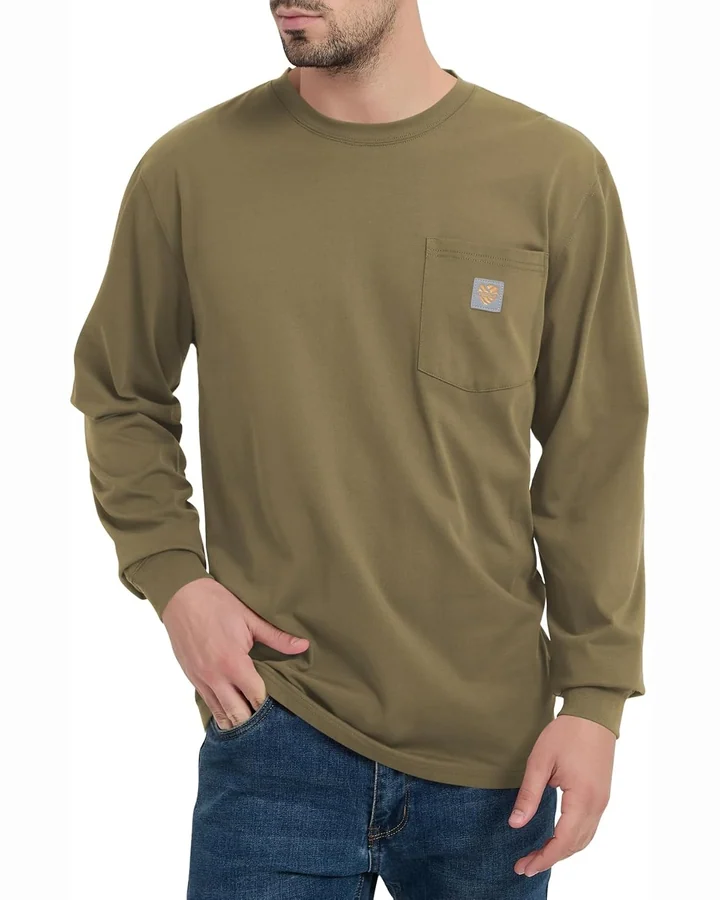
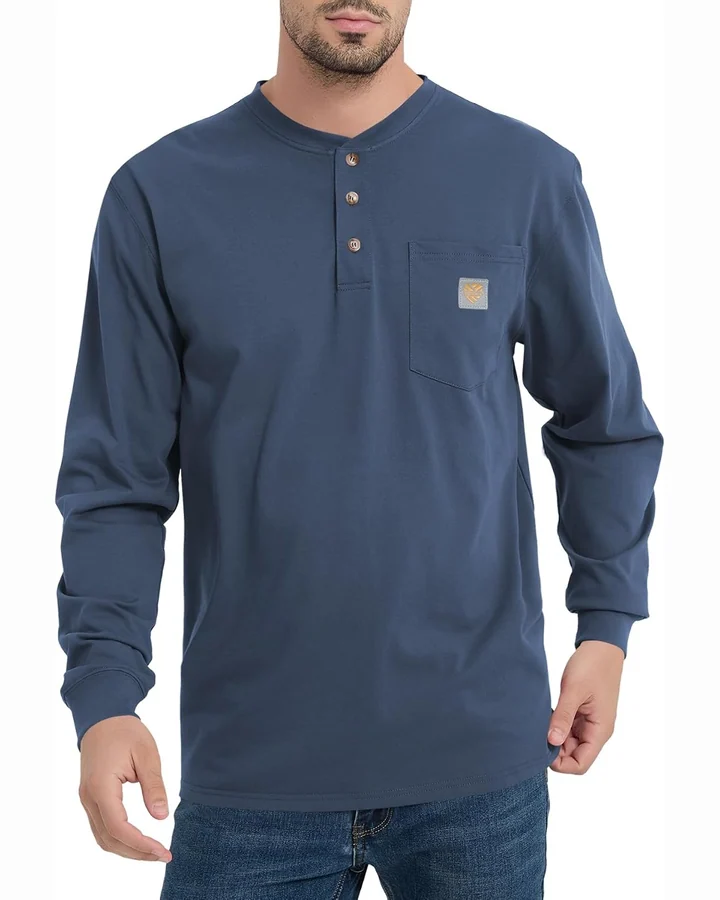
Long-Sleeve Henley
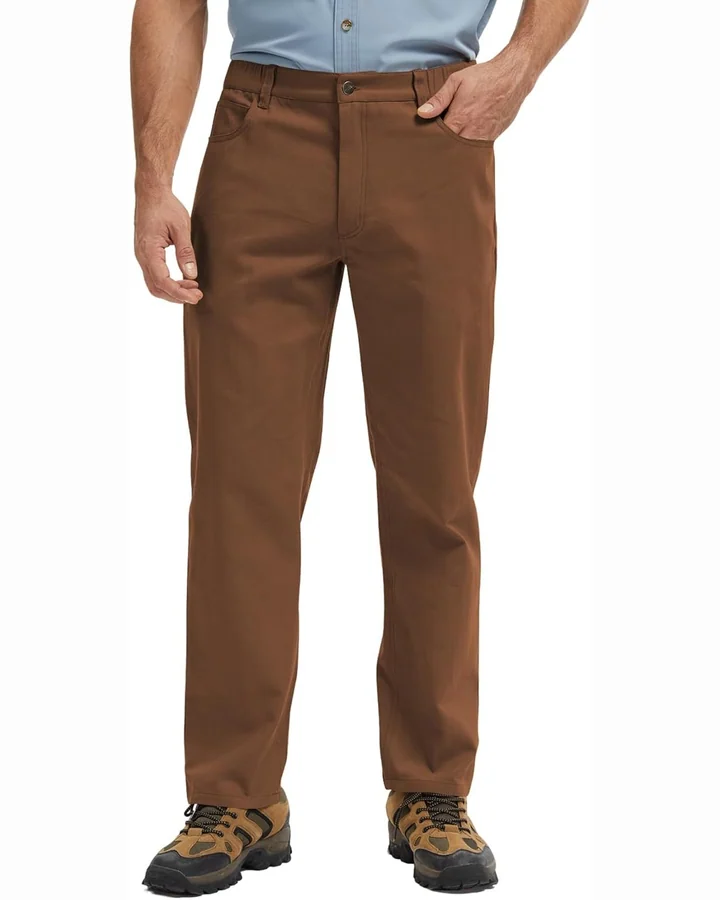
Canvas Work Pants
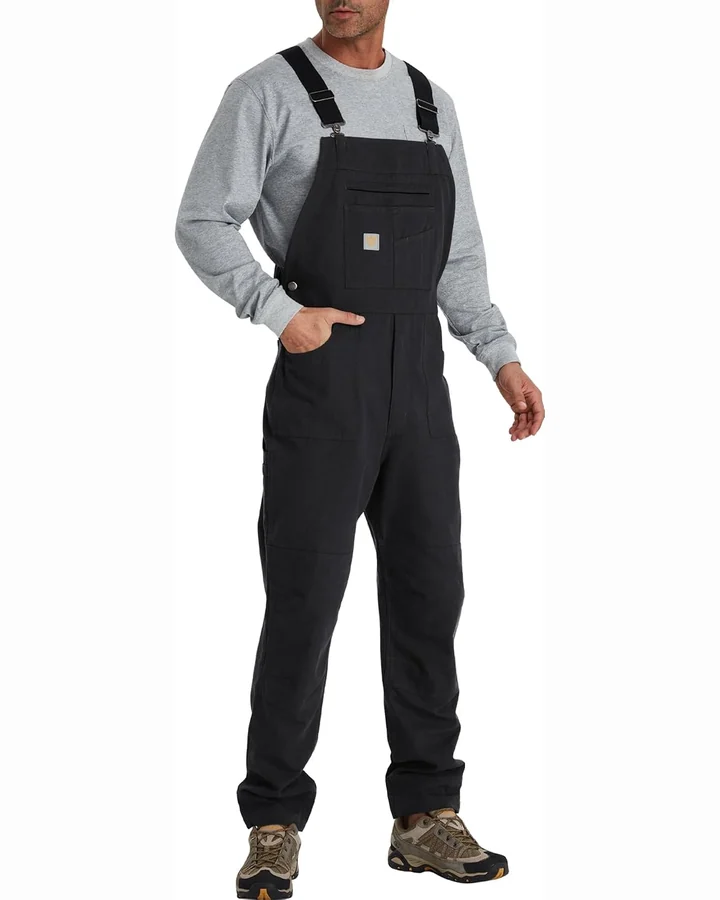
Duck Bib Overalls
Washing, and the number that shapes the seam
A temperature of at least 160°F (71°C) for a minimum of 25 minutes is commonly recommended for hot-water washing.
Centers for Disease Control and Prevention, Laundry and Bedding, Guidelines for Environmental Infection Control in Health-Care Facilities. Read 20 September 2026.
Healthcare laundry runs hotter than a home machine, and heat is what ages a uniform. Our scrub line carries a second row of stitching at the shoulder and hip for that reason.
- Wash dark colors together for the first three cycles.
- Skip fabric softener on work knits. It coats the fibre and slows drying.
- Dry on medium. Dryer heat costs more elastic than wash heat.
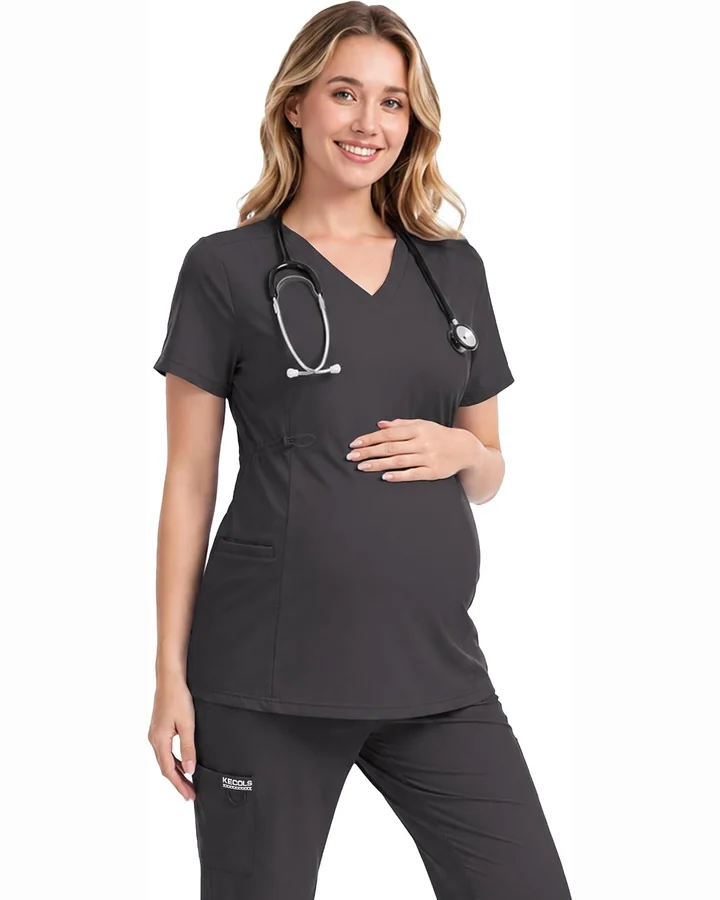
Maternity Scrub Top with Side Panels
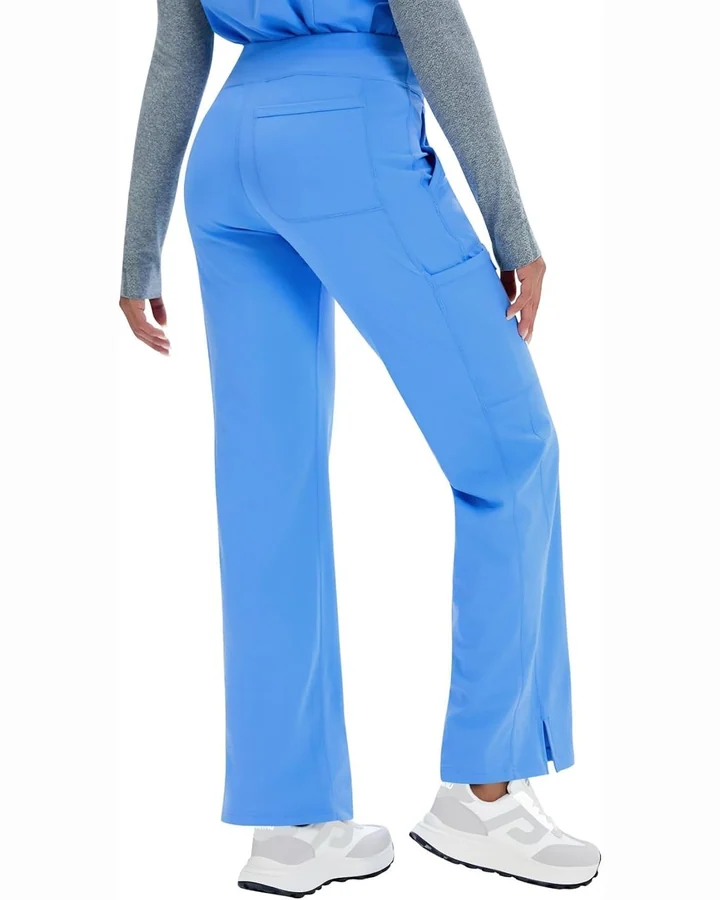
Five-Pocket Yoga Scrub Pants
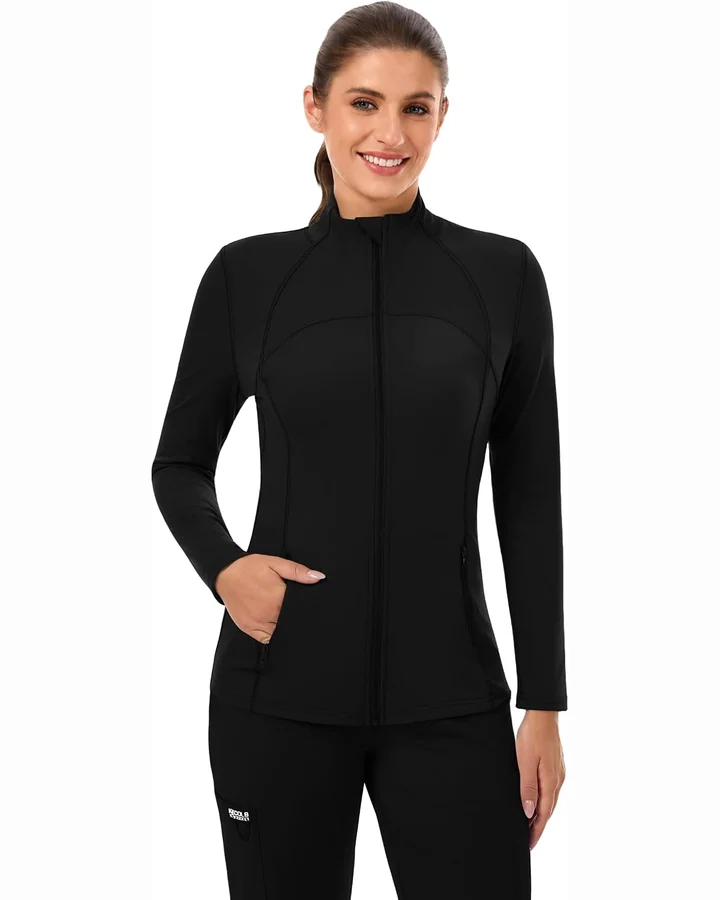
Lightweight Scrub Jacket
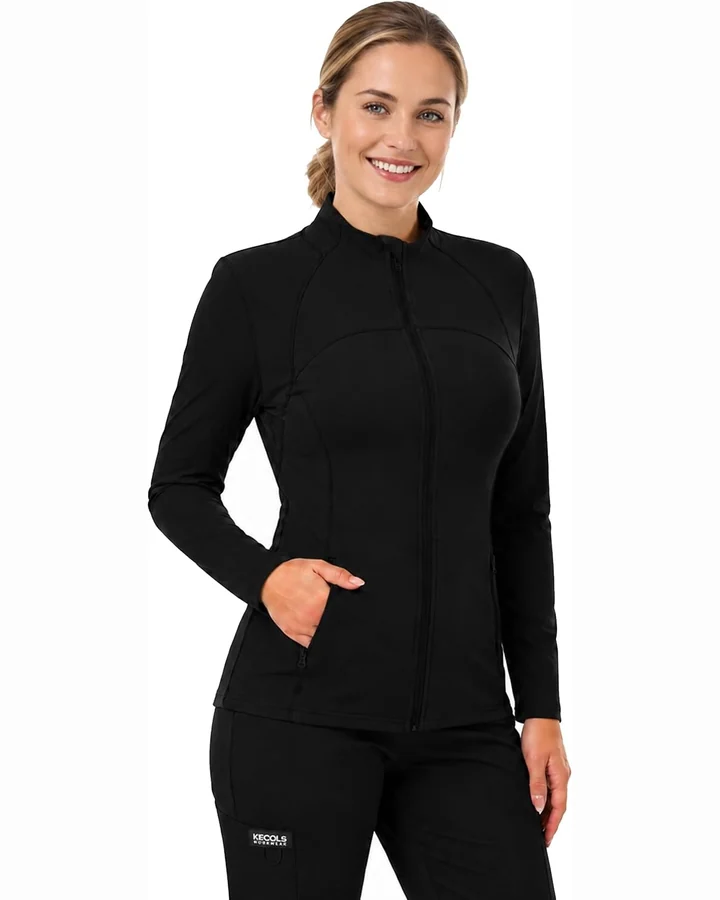
Zip-Front Scrub Jacket
The label beats this page
The label must say whether the product should be washed by hand or machine, and give a water temperature setting if regular use of hot water will harm the product.
Federal Trade Commission, Clothes Captioning: Complying with the Care Labeling Rule. Read 20 September 2026.
Every garment carries that label and it is written for that fabric. Where our advice and the label disagree, follow the label.
Nothing on this page is safety advice or medical advice. Kecols clothing is ordinary apparel: it carries no flame resistance rating, no arc rating and no fluid resistance rating. If your job calls for protective clothing, follow your employer's hazard assessment and wear garments certified for that hazard.